
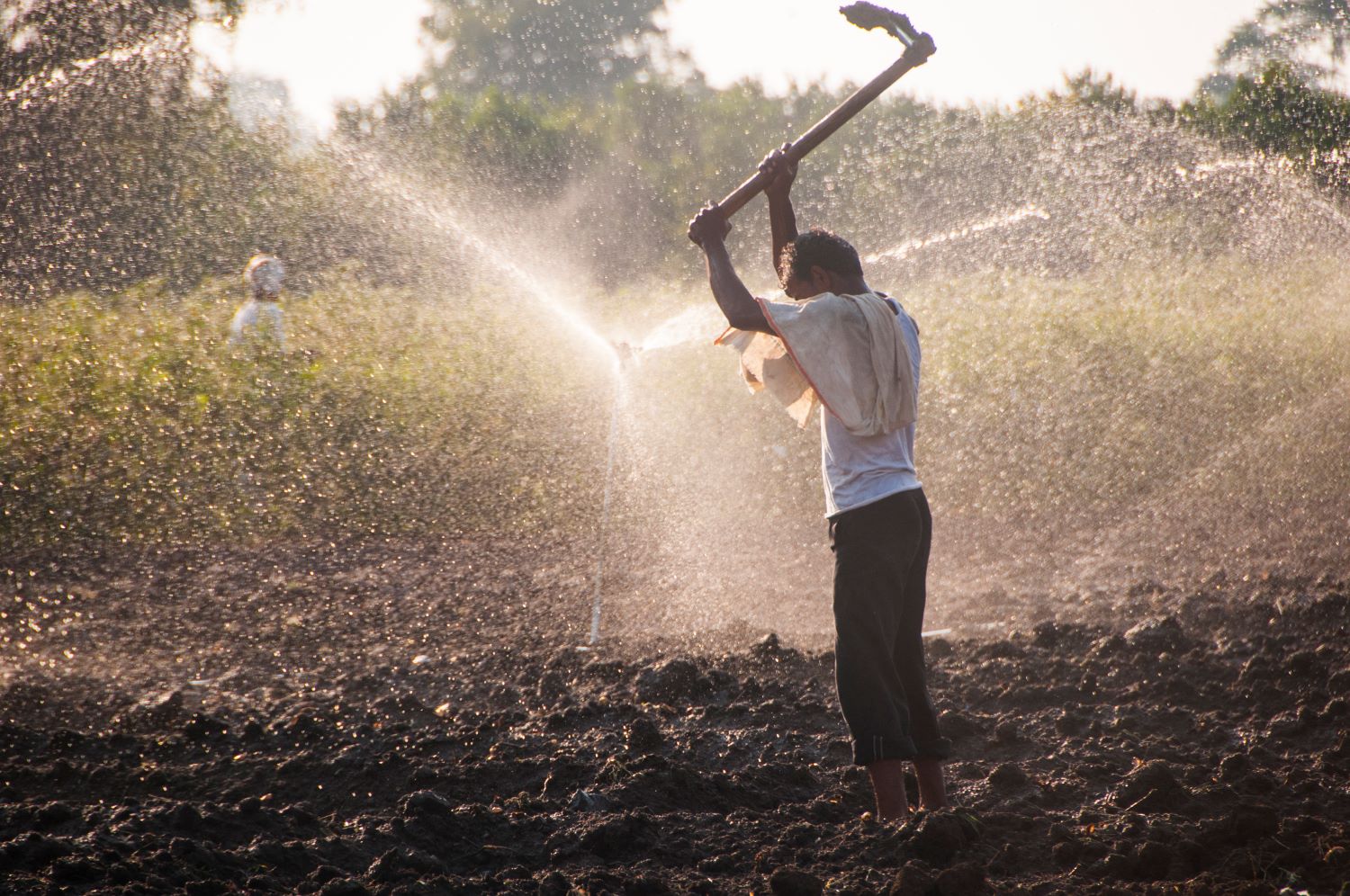
Water-Saving Irrigation Techniques for Vegetable Gardens
Introduction
Growing a vegetable garden is becoming increasingly popular for both household consumption and commercial purposes. However, managing water efficiently is a crucial challenge, especially with rising water costs and frequent droughts. Implementing water-saving irrigation techniques can help reduce costs while ensuring sustainable productivity.
Choosing an Efficient Drip Irrigation System
Drip irrigation is one of the most effective watering methods for vegetable gardens. It can be installed as either an automatic or semi-automatic system. Choosing high-quality drip emitters ensures uniform water distribution. The spacing of the emitters should be appropriate for the type of vegetables being grown. Additionally, maintaining proper water pressure and filtration prevents clogging in the system, enhancing its lifespan and efficiency.
Using Mulch to Retain Moisture
Mulching is an excellent technique to reduce water evaporation. Various materials can be used, including rice straw, dried grass, or plastic mulch. Mulching helps retain soil moisture, suppress weed growth, and regulate soil temperature. It’s best to use locally available, cost-effective materials. Apply mulch after watering to ensure the soil is well-hydrated, but avoid direct contact with plant stems to prevent root rot.
Scheduling Watering Times Efficiently
Proper watering schedules play a significant role in maximizing water efficiency. The best times to water are early in the morning or late in the evening to minimize evaporation losses. Avoid watering during peak sunlight hours. Watering should be consistent but not excessive—monitor soil moisture before watering. Adjust water levels based on weather conditions and plant growth stages. Using automatic timers can help regulate irrigation precisely.
Water Collection and Reuse Systems
Setting up water collection and reuse systems can significantly conserve water. Installing rainwater harvesting tanks or small garden ponds can provide an additional water source. Household wastewater, when properly filtered, can also be reused for watering plants. Gravity-fed irrigation systems reduce the need for energy consumption. Regularly inspecting pipes for leaks and installing control valves at key points enhances water management efficiency.
Selecting Suitable Crops and Garden Layout
Planning crop selection according to seasonal water availability is essential. Grouping plants with similar water needs together ensures efficient water distribution. Aligning garden beds according to land slopes promotes even water dispersion. Raised beds and proper drainage channels help optimize irrigation. Crop rotation also maintains soil fertility and reduces long-term water usage.
Conclusion
Water-efficient irrigation for vegetable gardens requires careful planning and management. Combining various techniques—such as drip irrigation, mulching, optimized watering schedules, water harvesting, and strategic crop selection—ensures maximum efficiency. Not only does this approach reduce costs, but it also conserves water resources and promotes sustainable farming. Adapting these strategies to suit local conditions and available resources can yield the best results for a thriving vegetable garden.