
Minimalist Home Organization to Reduce Environmental Impact
Introduction
As environmental issues grow increasingly severe, adopting eco-friendly lifestyles has become essential. Minimalist home organization is not only about creating a clean and aesthetically pleasing space but also about reducing environmental impact. This guide provides practical tips for designing and maintaining an eco-friendly minimalist home.
Sorting and Managing Belongings
Start by categorizing essential and non-essential items. Donate or recycle unused items instead of throwing them away. Use storage containers made from natural or recycled materials, such as reusable storage boxes. Proper organization minimizes overbuying and reduces household waste.
Choosing Furniture and Decorations
Select furniture made from natural and eco-friendly materials like recycled wood, bamboo, or certified sustainable products. Opt for simple, multifunctional, and durable designs. Avoid unnecessary decorations and prioritize high-quality, long-lasting items.
Managing Space and Energy Efficiency
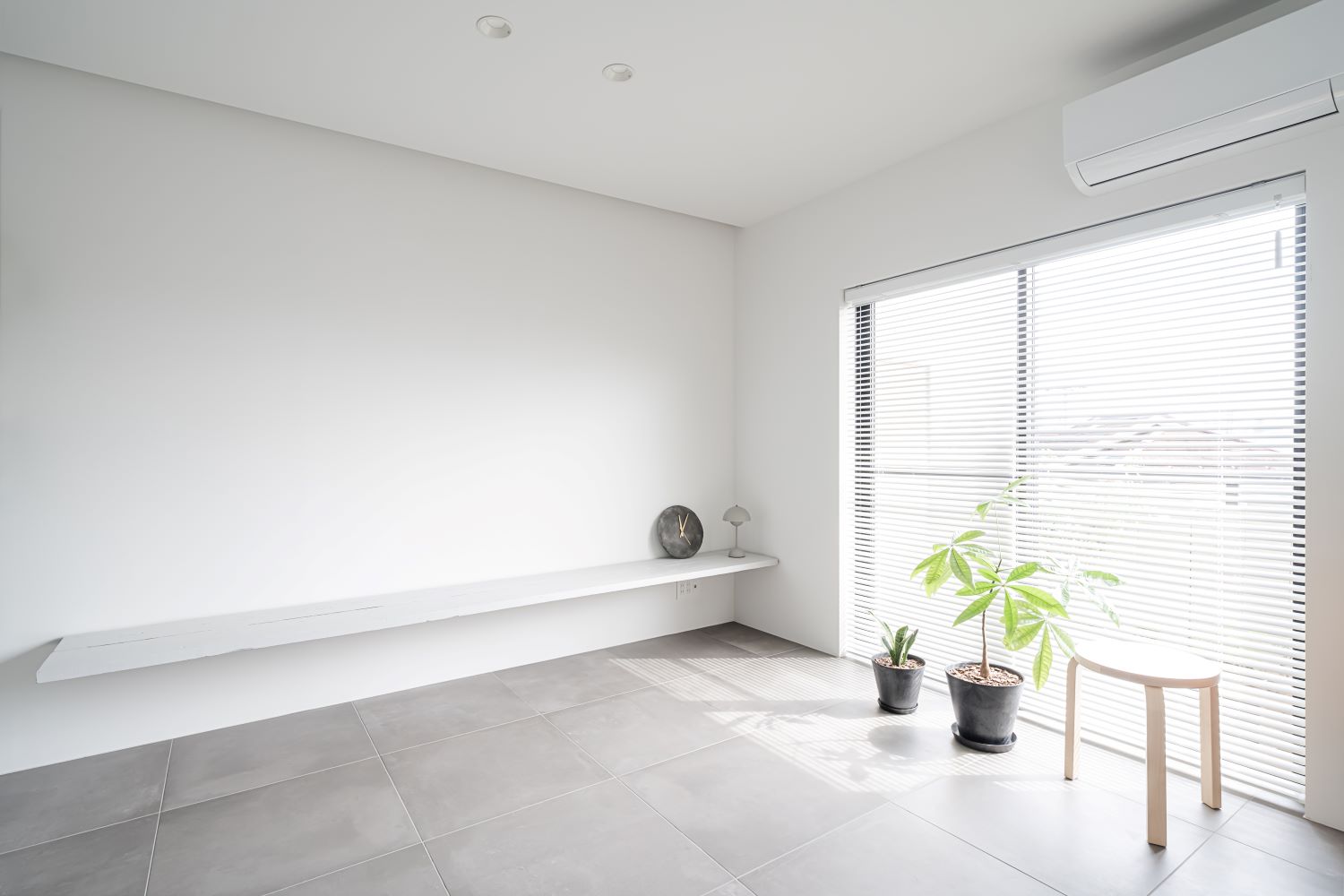
Arrange furniture to promote airflow and maximize the use of natural light. Use curtains or blinds to regulate indoor temperatures. Invest in energy-efficient appliances and create green spaces within your home to filter air and enhance freshness.
Using Eco-Friendly Cleaning Products
Choose cleaning products made from natural ingredients, or clean with household staples like vinegar and baking soda. Avoid chemical-based products that harm the environment. Use reusable cleaning cloths instead of disposable wipes or paper towels.
Building Sustainable Consumption Habits
Adopt sustainable consumption practices alongside minimalist organization. Reduce purchases of items with excessive packaging, buy high-quality and durable products, and avoid single-use plastics. Bring reusable bags for shopping and sort waste for proper recycling.
Conclusion
Organizing a minimalist home to reduce environmental impact not only creates a neat and pleasant living space but also reflects a commitment to sustainability. By making small changes in daily habits, using eco-friendly products, and fostering sustainable consumption habits, you can effectively reduce your ecological footprint. Minimalist living is more than a home design trend—it’s a lifestyle that supports environmental preservation for future generations.